
How Arrest Warrants Work in Upton County
An arrest warrant in Upton County is a written judicial order. It directs a peace officer to take the named accused into custody. Texas Code of Criminal Procedure Chapter 15 spells out what the order must contain. Behind it sits a sworn complaint and a probable-cause decision by a magistrate, not a case website. The file may belong to the 112th District Court, the constitutional County Court, a Justice of the Peace, or a municipal court, depending on the offense. One judge signs the order. A sheriff's deputy, constable, city officer, or other authorized peace officer then serves it.
Upton County Arrest Warrants Follow Court Level
The Texas courts site describes the state trial-court structure.
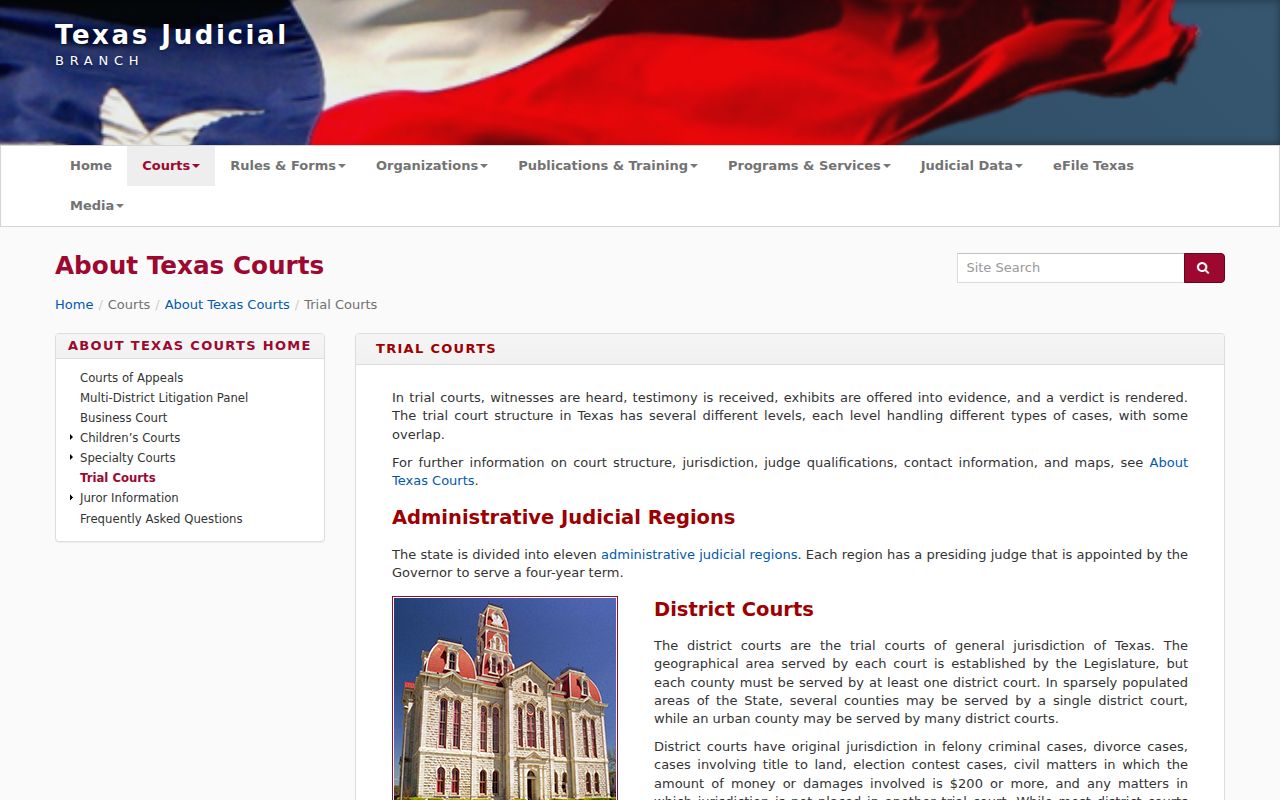
Court level tells you where a Upton County warrant was born. Felonies belong to the 112th District Court, a multi-county court that holds a listed local session on the first Tuesday of each month at 10:00 a.m. County-level matters run through the constitutional County Court and its combined County/District Clerk. Four JP courts cover precinct cases, and McCamey runs a confirmed municipal court. The District Court page posts local session times and contact details, and the County/District Clerk answers at 432-693-2861. Confirm the court before asking for a document. Its clerk holds the underlying file. Check the county's own page before you drive anywhere, since a scheduled session can shift.
Arrest Warrants: What They Contain
A public copy from a Upton County court can carry real detail. It may list the issuing judge, the accused, the offense, a cause number, the date, and what the serving officer is told to do. The county publishes no sample warrant format, no number pattern, and no countywide bond schedule. The clerk can give you the actual fields and the current status.
| Cause number | Connects the warrant to the underlying criminal case. |
|---|---|
| Issuing magistrate | Judicial officer who signed or approved the order. |
| Offense | Charge stated in the court record. |
| Issue and return dates | Show when process issued and whether an officer returned it. |
| Bond instruction | Any court-set release term; do not infer a standard amount. |
| Status | Ask whether it remains active, was served, or was recalled. |
Upton County Arrest Warrant Search Has No Roster
The Upton County Sheriff lists its Rankin office at 1106 North Grand Street, phone 432-693-2422, and a McCamey substation at 108 West 5th Street, phone 432-652-8222. It publishes no arrest-warrant search, no warrant line, and no roster. A call can still route you, and the issuing court verifies the order itself. McCamey's side works differently. The city police page describes an inter-local agreement that puts law enforcement with the Upton County Sheriff's Department. That is a service arrangement, and it does not say who can change a warrant or a case.
How Warrants Get Served in Upton County
More than one office can serve a Upton County warrant. The Sheriff, municipal police, a constable, or another peace officer authorized by law may execute it, and the serving officer reports back to the court on whether it was carried out. The issuer and the server are often different offices, especially where a court's reach crosses town lines. Ask the city or the Sheriff which agency serves a city matter today. A call to the Sheriff can settle that service question, but only the issuing court can confirm its case entry, explain a recall, or set a bond or appearance requirement. One more caution. A similar name in an online record proves nothing about identity, so share personal identifiers only with a verified government office.
Upton County Arrest Warrant Courts Differ
The Office of Court Administration publishes aggregate court-activity reports.
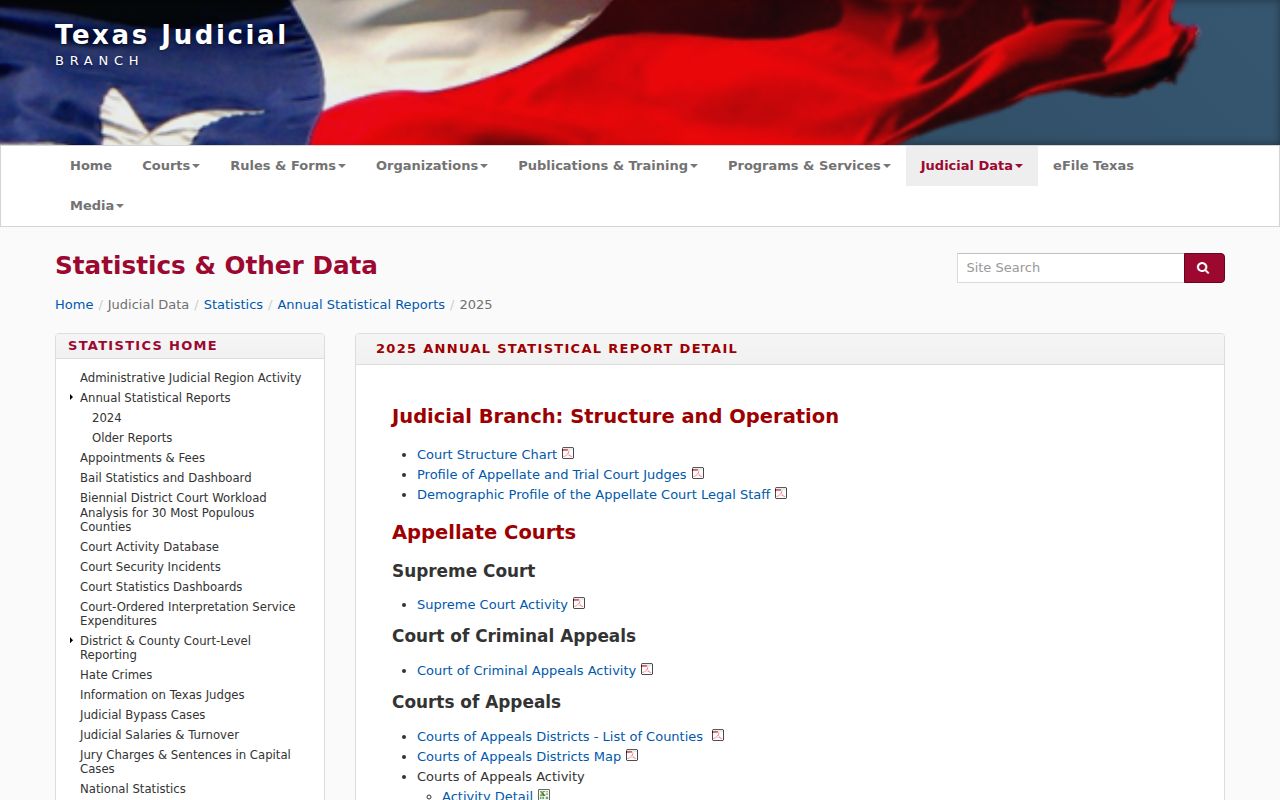
Court structure matters more than searchers expect. Total case activity across Upton County is not a person-level warrant count, and it tells you nothing about one person's status. McCamey Municipal Court handles city ordinances and the concurrent fine-only Class C cases within its authority. The 112th District Court takes felonies and whatever else the law assigns it, so a city or JP failure-to-appear process should never be read as a district arrest warrant just because both involve custody. Texas court information lays out the trial-court structure. The city court's file and the district clerk's record stay separate. Ask the court named on your paperwork which clerk can hand you a copy.
Arrest Warrants, Summonses, and Bench Warrants
Three different orders get confused in Upton County dockets. An arrest warrant follows a probable-cause decision and orders custody. A summons just tells a person to appear. A bench or FTA warrant grows out of a missed court obligation, usually a skipped date. Docket entries often use shorthand names, so ask the clerk which order the judge actually entered.
| Process | Purpose | Upton confirmation |
|---|---|---|
| Arrest warrant | Take an accused person into custody. | Issuing court or Sheriff for service route. |
| Summons | Direct a person to appear at court. | Court named on the notice. |
| Bench / FTA process | Respond to a missed setting or court order. | JP, municipal, county, or district court that set it. |
Upton County Federal Arrest Warrants
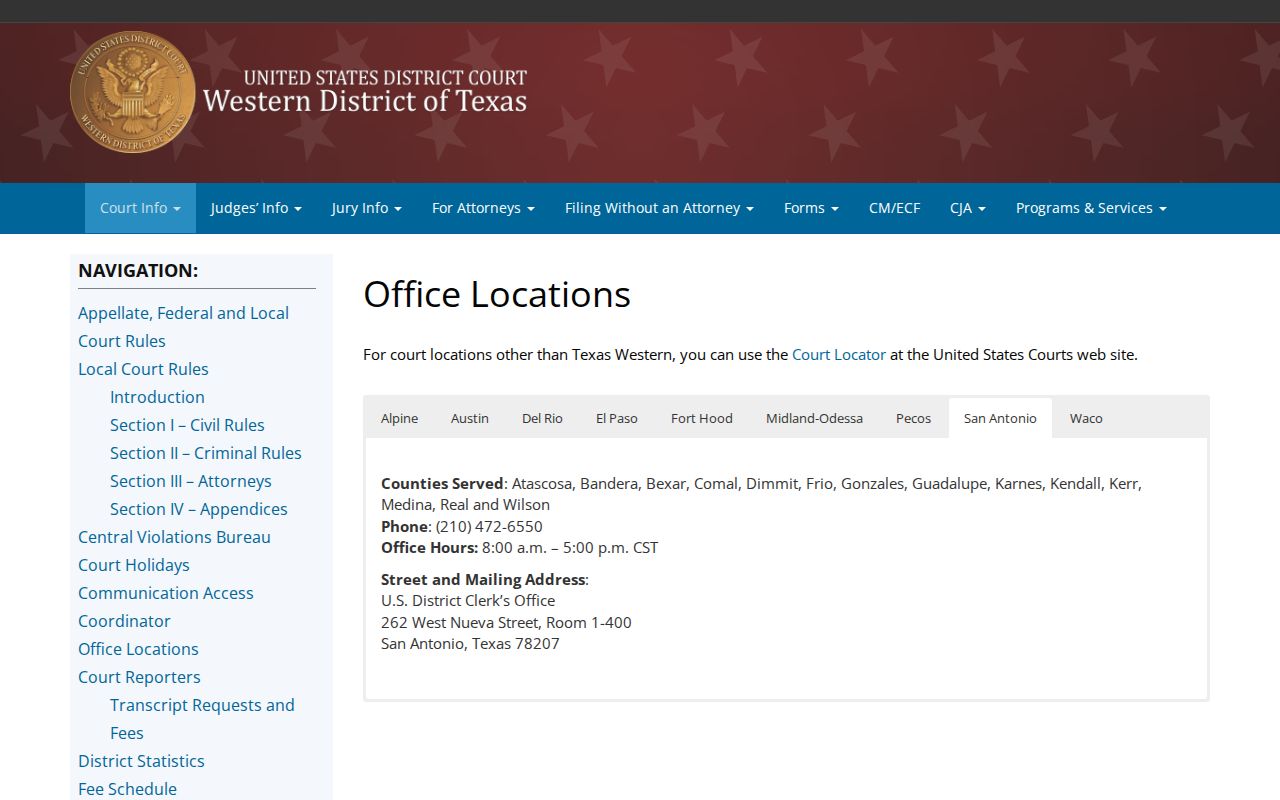
The Western District clerk’s locations page identifies the Midland-Odessa Division serving Upton County.
Federal warrant records sit outside Upton County's system, and PACER is the entry point for searching the federal dockets.
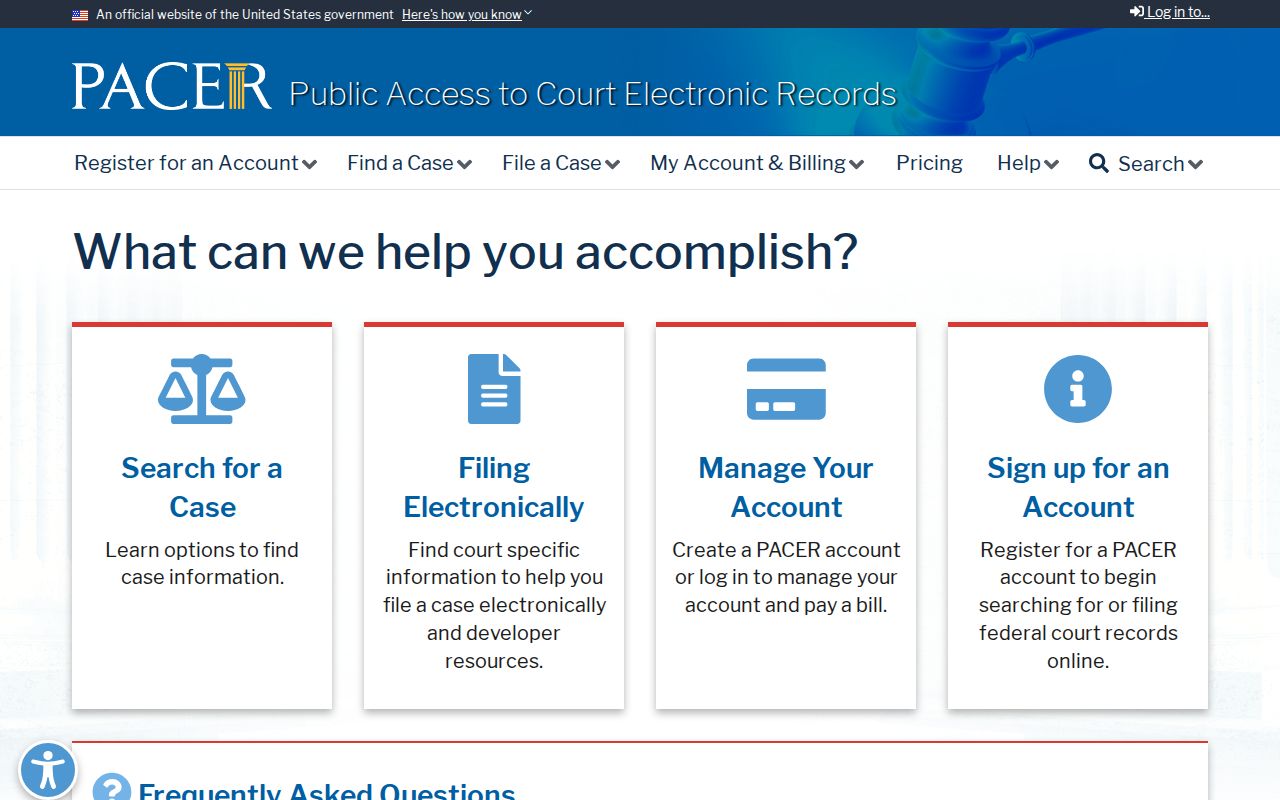
Upton County sits in the Midland-Odessa Division of the U.S. District Court for the Western District of Texas. Federal process never becomes part of the county Sheriff's public records system. A public federal docket can omit sealed warrants and pre-indictment matters, so ask the federal clerk about access before assuming anything. The federal clerk's location page lists the Midland contact information and the counties it serves. For docket entries themselves, the PACER system searches what is public; a blank result does not prove that no sealed process exists. CourtListener and RECAP can supplement a docket search, never replace the clerk. Federal service also runs through federal channels, including the U.S. Marshals. A Upton County case portal cannot answer a federal warrant question.
Upton County Arrest Warrants Have Access Limits
The Texas Attorney General’s request instructions explain how to ask for existing records.
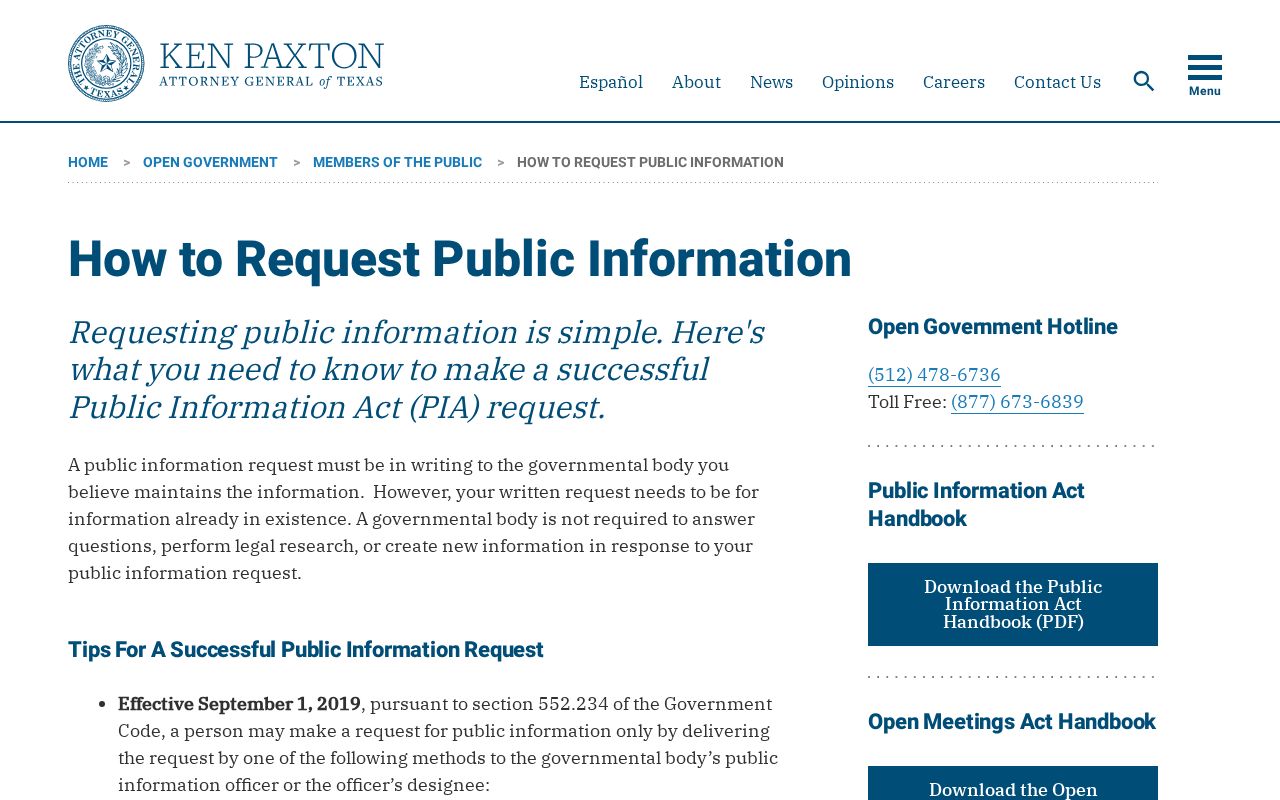
Send the request to the office that holds the record. Texas law opens most arrest warrants to the public. Code of Criminal Procedure Article 15.26 provides that access, unless a sealing order or some other legal restriction applies. Search-warrant affidavits follow a different timing rule after execution. Juvenile arrest warrants and related papers are confidential under Family Code §58.010. In Upton County, the written route is Commissioners’ Court, PO Box 482, Rankin, TX 79778, or cquigg@co.upton.tx.us. Name the record, the court, and the date range. Ask for any non-exempt portion. A request cannot force an office to create a warrant list it does not keep. Upton County posts its PIA instructions with the statutes. Read Chapter 15, Family Code Chapter 58, and the county PIA instructions.
Handling an Arrest Warrant in Your Name
A warrant in your own name calls for care. Before walking into any Upton County office, speak with a Texas lawyer and the issuing court. Ask whether counsel should request a copy, arrange a voluntary appearance, or file a motion. Confirm any bond condition, and whether a hearing is still required after release.
Do not approach or interfere with an officer serving process. Ask a lawyer how to arrange a lawful appearance and confirm the court’s current instructions.
A warrant never settles the underlying Upton County case. Keep a copy of each court order, and ask the clerk to confirm any later recall or status change.
Upton County Arrest Warrant Records Follow Issuer
For Upton County and district records, call the combined County/District Clerk at 432-693-2861. A JP or municipal clerk keeps separate files. The Tyler UCMS portal can serve as a lead, though its complete fields and warrant coverage are not guaranteed. Start with the court named in the cause. Ask the Sheriff if you need service information. The combined clerk page links to the portal and office contact. Check any result against the court’s current entry.