
How Bench Warrants Work in Upton County
People say "bench warrant" as shorthand for almost any process a judge issues after trouble with the court itself, like a missed appearance or a disobeyed order. Texas courts choose among several tools. An arrest warrant, a capias, or a capias pro fine may each fit, and the issuing court decides which one applies at that stage of the case. For a fine-only matter in Upton County, the office to call may be a JP court or a municipal court. A district or county case belongs with that court and the County/District Clerk. The Sheriff can serve the papers. He cannot change what the court's record says.
Upton County Bench Warrants by Precinct
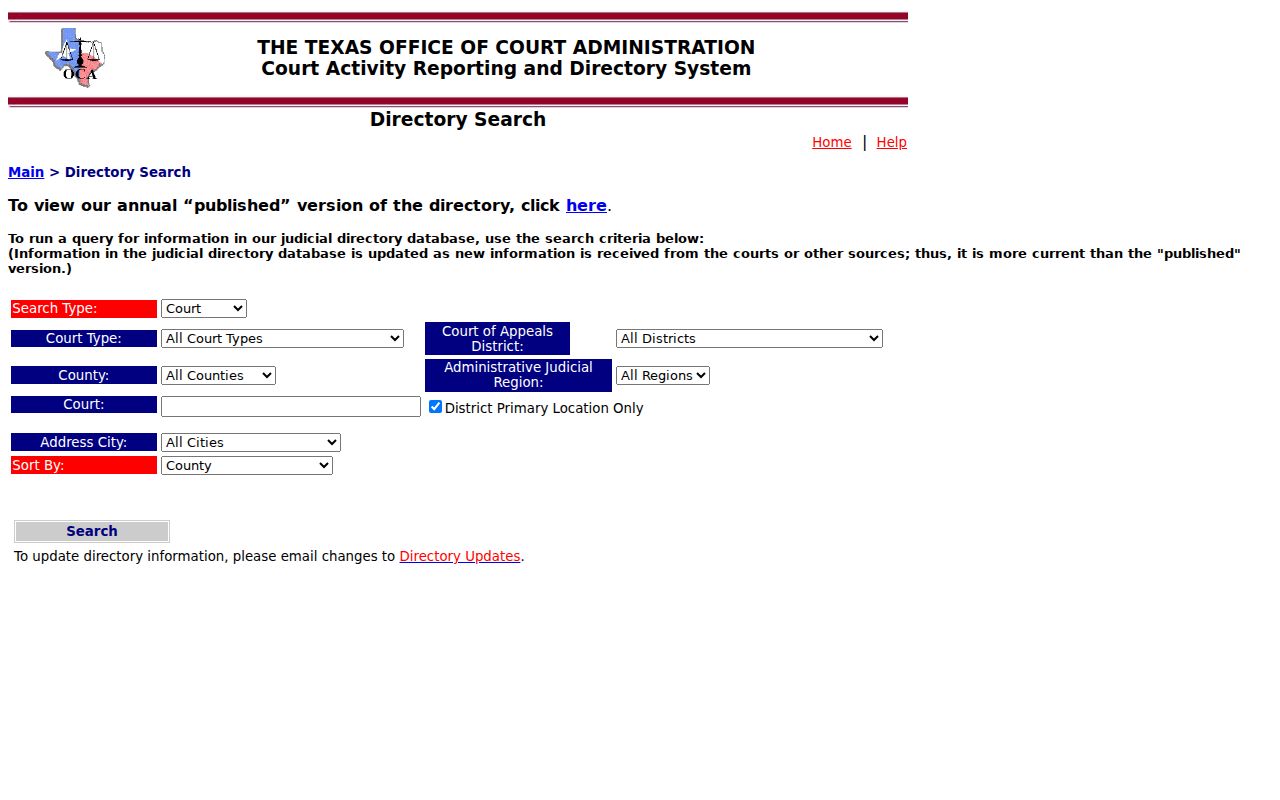
The Texas court directory can help confirm a court’s type and location.
Upton County runs four justice courts, and each one keeps its own files. JP1 answers at 432-693-2473, JP2 at 432-693-2919, JP3 at 432-652-4230, and JP4 at 432-652-3536. JP3 and JP4 sit at 108 West 5th Street in McCamey and list afternoon office hours. JP1 and JP2 split their schedules between Rankin and McCamey, so call the assigned precinct before you drive anywhere. A quick phone check saves a trip to a closed or wrong counter. Keep the judge's precinct and your cause number together; if a citation shows no court name, the clerk can use its number and date to route you. The county's justice court directory lists judges, contacts, and payment links, though those payment tools are not warrant databases.
The right precinct matters because each court controls its own case file and any order tied to it. That is also why a county-level portal may miss a JP court's full warrant status. When you call, ask whether the file shows a citation, an FTA, a warrant, a capias, a judgment, or a later recall. A reset date, an FTA notation, and a signed warrant are not the same thing. The state's court directory helps confirm a court's type and location, but it does not search warrants. Do not mail a payment until the court confirms it fits the case. A vendor receipt alone cannot tell you whether a personal appearance or a filed motion comes next, and the Upton County directory's official contacts beat any third-party listing.
Bench Warrant Issuance in Upton County
For justice and municipal courts, Chapter 45A of the Code of Criminal Procedure now governs notice and warrant procedures in qualifying failure-to-appear cases. Section 45A.104 covers the warrant itself and allows recall in specified circumstances when a person voluntarily appears and makes a good-faith effort before the warrant is executed. The rule is case-specific, though. A Upton County court may still need to verify identity, set a hearing, weigh a payment option, or enter a written order. Read the current Chapter 45A provisions and ask the issuing clerk how they apply to your file. McCamey's code page gives a separate local view of city-court authority.
Upton County Bench Warrants After Missed Dates
The McCamey code describes city-court jurisdiction and local warrant provisions.
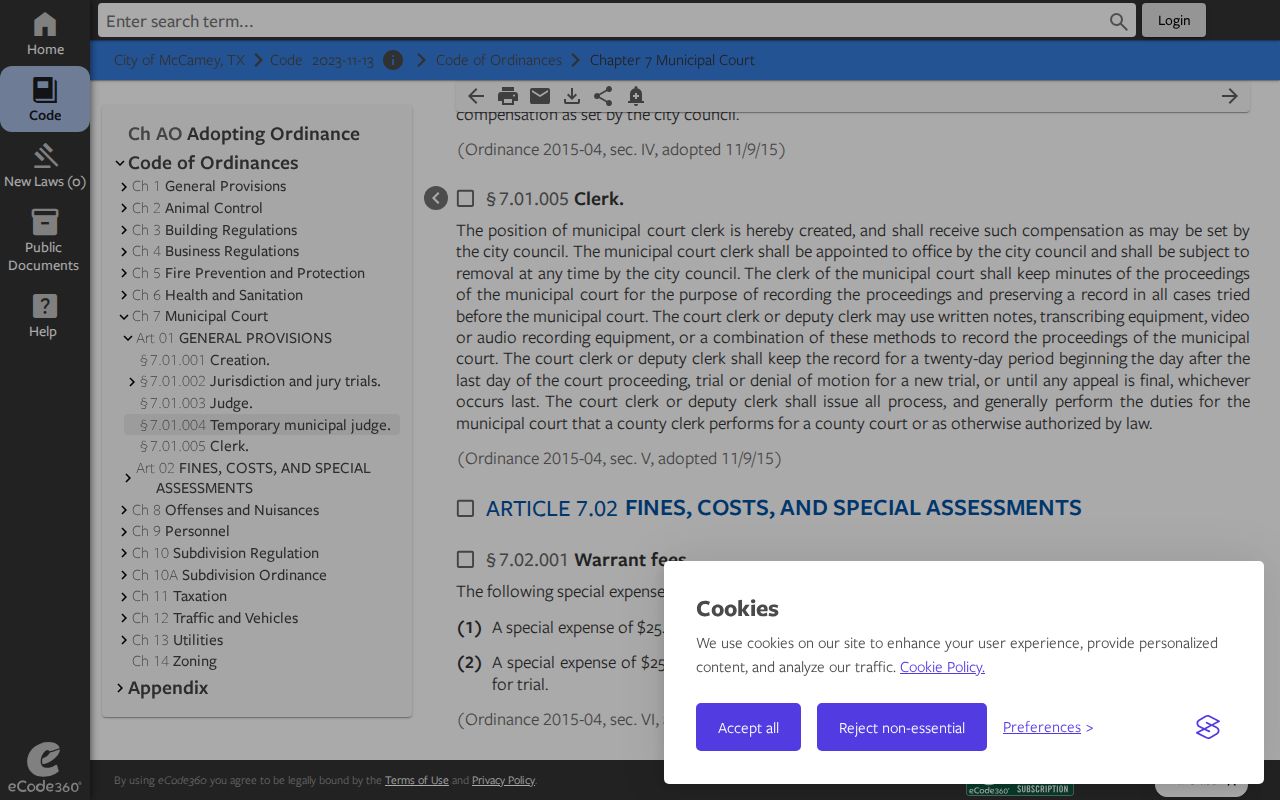
A setting can move. A mailed notice can go missing, and a payment may not satisfy an appearance order. When something slips, call the same court and ask what event was entered, because a reset date, an FTA notation, and a signed warrant are three different records. McCamey's city code spells out municipal jurisdiction over city ordinances and concurrent fine-only Class C cases, and its local provisions add special expenses for some failures to appear. Those rules cover city matters only. They do not create a Upton County fee schedule, so confirm any amount with the court. McCamey's municipal code holds the city-level text.
How Bench and Arrest Warrants Differ
Bench process and arrest process answer different problems. A bench warrant or FTA order responds to a court event, like a missed date. An arrest warrant in Upton County usually follows a sworn complaint and a magistrate's probable-cause decision. A capias directs an officer to bring a person before the court. Ask for the exact order on the case file.
| Question | Bench / FTA process | Arrest warrant |
|---|---|---|
| Typical trigger | Missed appearance or court order. | Probable-cause finding on a complaint. |
| Record holder | Court that set the appearance. | Court that issued the warrant. |
| Next step | Ask about setting, recall, payment, or motion. | Ask counsel and court about safe lawful appearance. |
A bench warrant in Upton County is not a new charge. The underlying case stays with the issuing court that set it in motion.
Upton County Terms Need Court Context
Staff in Upton County courthouses may use familiar words that describe different processes. A "capias" is a writ telling an officer to arrest someone or bring them to court. "Capias pro fine" deals with collecting a fine after judgment, once the legal steps are done. "Recall" means the court withdraws the process; "quash" sets it aside.
- FTA
- Failure to appear at a required court setting.
- Capias pro fine
- Post-judgment process used in qualifying fine matters.
- Recall
- A court order withdrawing a warrant or capias.
- Personal bond
- Release based on a written promise under applicable law.
When you request a copy or a remedy in Upton County, use the exact word that appears in the court file.
Clearing a Bench Warrant in Upton County
Call the Upton County court before you visit. Ask whether it accepts a voluntary appearance, requires counsel, or wants a motion filed first. Find out if a personal bond, payment plan, hardship hearing, or new setting fits that case. The Sheriff cannot recall the order. Only the issuing court can take that action.
Do not treat payment as proof of recall. Request a receipt or order, then ask the clerk to confirm the warrant’s status and any notice sent to DPS.
A Upton County case with an FTA/FTP driver-license hold may also need a separate clearance notice from the court. Then confirm the fix with DPS.
Before You Go to Court
A short call can sort out your next step. Have the Upton County case number ready, plus the court and the missed date if you know them. Ask if the warrant is still active. Ask whether appearing could mean immediate custody, and which staff member explains the procedure.
- Confirm which Upton court issued the process.
- Ask whether counsel or a written motion is needed before appearing.
- Check whether payment, bond, or hardship review is an option.
- Ask what document proves the court’s action and any DPS update.
A Upton County attorney can arrange a voluntary appearance and lay out the likely outcomes. Guesses from a general portal result do not count.
Upton County Courts That Issue Bench Warrants
The 112th District Court sits in Upton County on the first Tuesday of each month at 10:00 a.m.; call ahead to confirm any change. County-level cases run through the County/District Clerk at 432-693-2861. JP cases stay in their assigned precinct. McCamey Municipal Court sits at 207 East 6th Street, phone 432-652-3333. Rankin is less clear. The city site names no municipal court, judge, or police page, so call 432-693-2474 and ask which court holds the citation. The District Court page posts the local session details.
Public Copies Follow the Issuing Court
Some Upton County records never make it online. For a county-held file, Upton County takes written Texas Public Information Act requests through Commissioners’ Court, PO Box 482, Rankin, TX 79778, or cquigg@co.upton.tx.us. Name the court, the date range, and the kind of file you seek. A records request is not a recall. Only the issuing court can quash the warrant. Arrest-warrant records are generally public under Texas law, though sealing and other limits apply, and juvenile process carries added confidentiality. Ask the issuing clerk which rule controls before ordering a copy. The county’s written request page carries the current contact instructions.